Connect blocks to code
Discover how visual logic becomes Arduino C++ or MicroPython.

Empowering Africa through technology
Build confidence with computer foundations, digital skills and responsible AI—then take your ideas into practical robotics and coding with MakerOS.
We invite schools, governments and organisations to help widen access—and connect learning with practical projects and real-world experience.
Start building with MakerOSStart from zero. Progress step by step. Learn, code and create.
Made for schools
Clear learning pathways help teachers support learners at different starting points. Prepared examples and evidence labs make AI concepts approachable without requiring an external AI account.
Explore the platform guides →Introducing MakerOS
Take the next step into practical robotics and coding with MakerOS.
Explore guided projects with Arduino, ESP32 and sensors. Build programs with visual blocks, see how they translate into code, and test your ideas on real hardware.
Explore MakerOSVisit makeros.africa to explore the platform and school access.
Discover how visual logic becomes Arduino C++ or MicroPython.
Explore boards, sensors and the inputs and outputs behind a working project.
Work through guided challenges, test your build and improve it step by step.
Together, we can reach further
We welcome governments, education departments, private schools, businesses and community organisations who want to help young people learn, build and create.
Explore school programmes, educator development, sponsored learning and equipped learning spaces.
Find your partnership opportunity →Discover how our ties in China and the founder’s commercial ventures can support opportunities for practical exposure and supervised projects.
Explore real-world learning →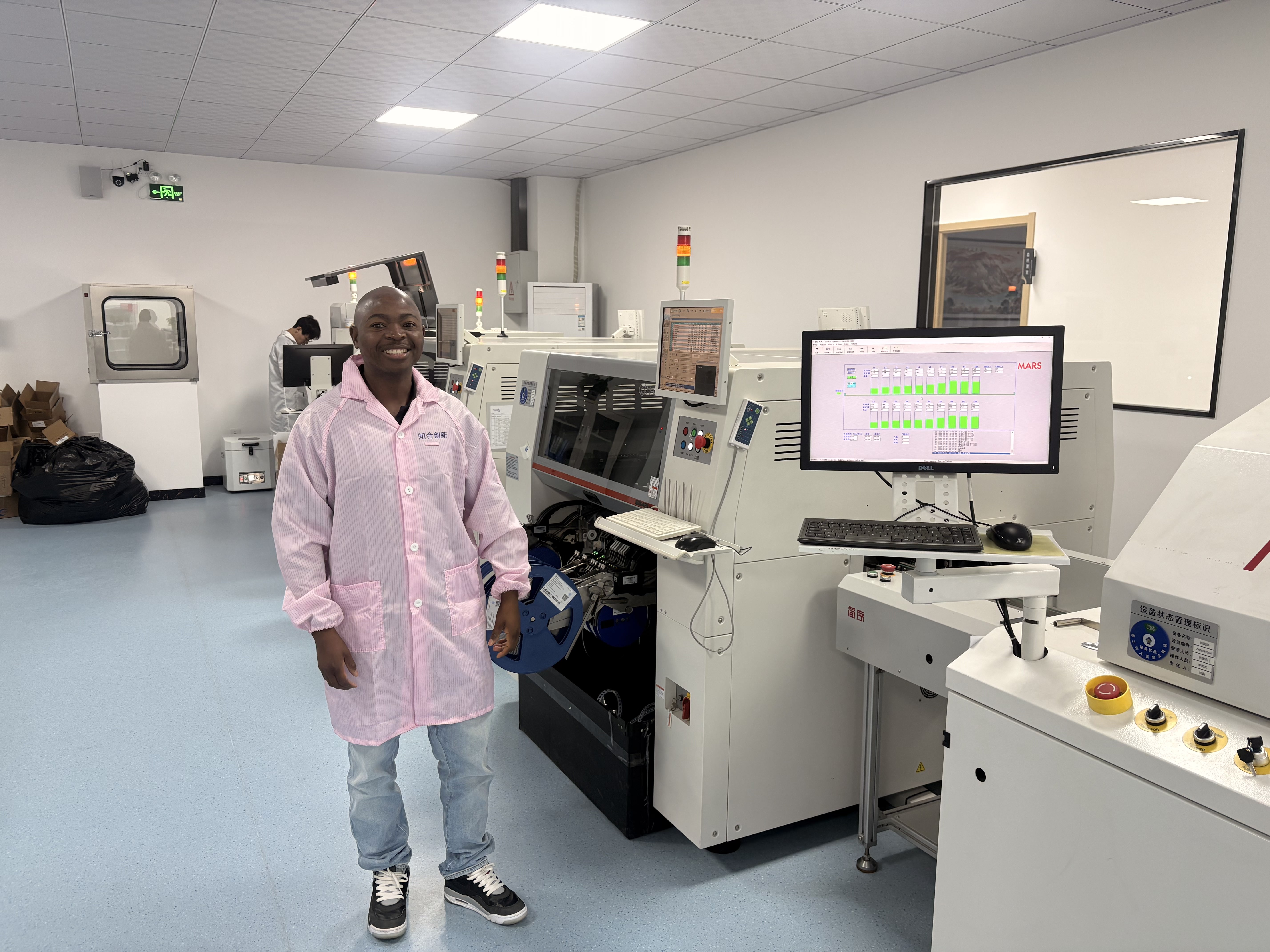
Meet the founder
Founder, AI Robotics Coding Academy Africa
Siphiwe Mabusela founded AI Robotics Coding Academy Africa to help young people across Africa develop practical skills in robotics, coding and artificial intelligence.
His work with the Academy focuses on widening access to technology education, including for rural and disadvantaged communities, and helping learners build the confidence to become creators.
More about SiphiweQuestions, answered
Schools in different countries use different grade systems. Tell us about your learners’ experience, learning needs and local curriculum so we can discuss a suitable pathway. Learners can begin with computer foundations without previous experience.
No. Lessons unlock automatically as learners complete the required activities and checks. Teachers guide learning and review progress in their own portal.
No. AI evidence labs use clearly labelled fictional responses and prepared evidence for safe practice. Learners practise prompts, verification and responsible use; an external AI account is not needed.
Computational thinking is included in the Academy pathway. MakerOS provides a separate platform for practical robotics and coding with boards and sensors. Ask us about equipment and a suitable programme for your learners.
Lessons include knowledge checks and guided practice. The final pathway test saves results to the learner’s account. The separate AI practice test is session-only. These are practice results, not independently verified examination marks.
No. School accounts are provisioned through the Academy’s approved process. An adult can request access through the enquiry form; this does not create an account automatically.
This is an online platform. An internet connection is needed to sign in and save progress. Use a current browser on a computer for the best lesson experience; Windows is used for operating-system examples.
Start a conversation
Tell us about your school and the learners you want to support.
School staff and parents: use this form to prepare an enquiry. Students, please ask your teacher or a parent to contact us.
Enquiries to hello@airoboticscodingacademy.africa, copied to me@siphiwemabusela.com. Contact details & privacy